

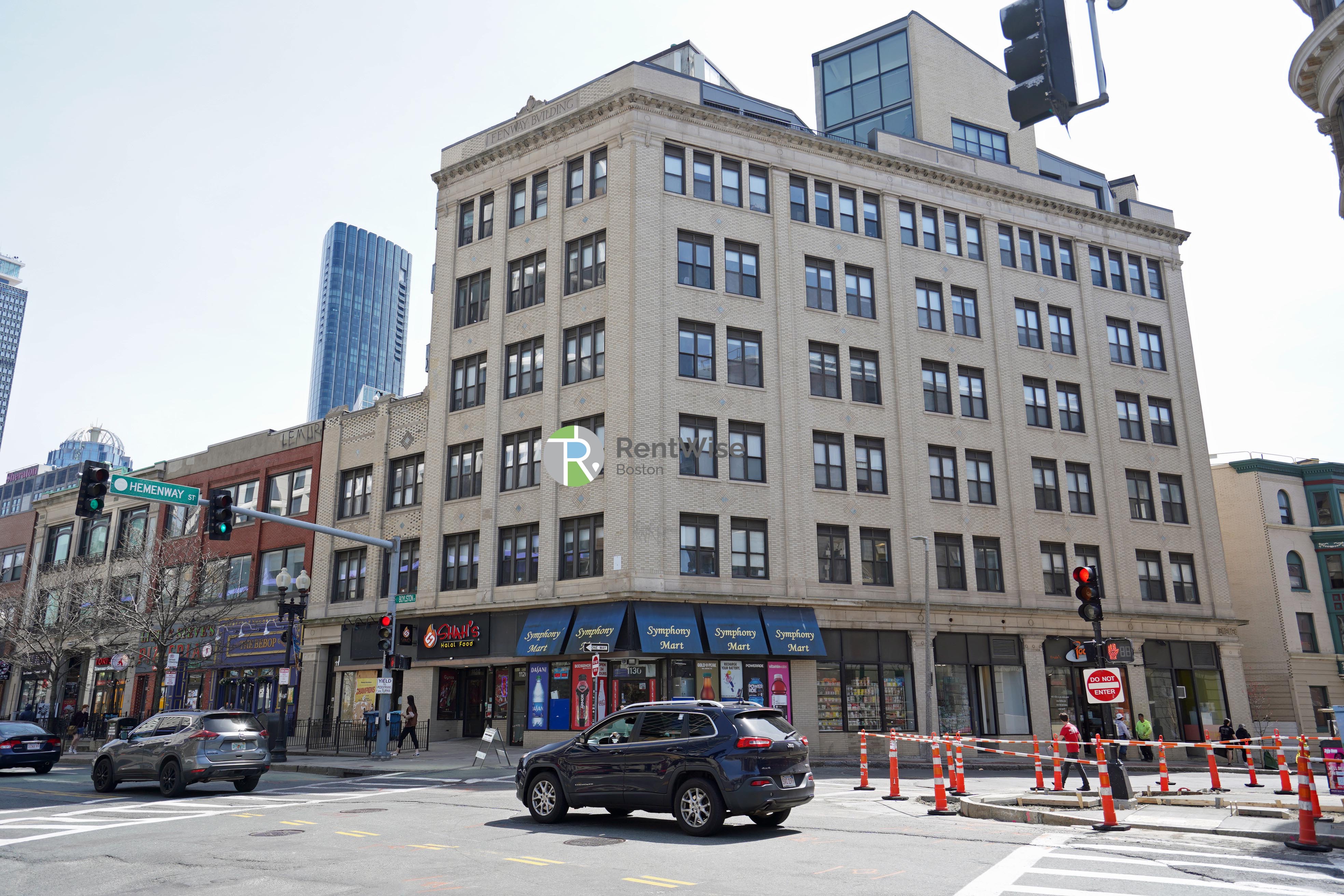


%20Unit%20Photo%2012%20(1).jpg)
.jpg)


From neighborhood vibe to buildings, here’s what you need to know about renting in Back Bay before you start your search.
Browse apartments
Beacon Hill: quieter, more historic, less retail-driven. South End: more residential, artsy, and dining-led with a softer pace. Fenway: younger, denser, and more student/institution oriented. Back Bay: more polished, more shopping-centric, and more defined by flagship streets and landmark destinations.
Professionals, luxury renters, relocated city residents, and people who want a central Boston base with strong walkability, polished retail, destination restaurants, and access to both full-service towers and classic brownstone living.
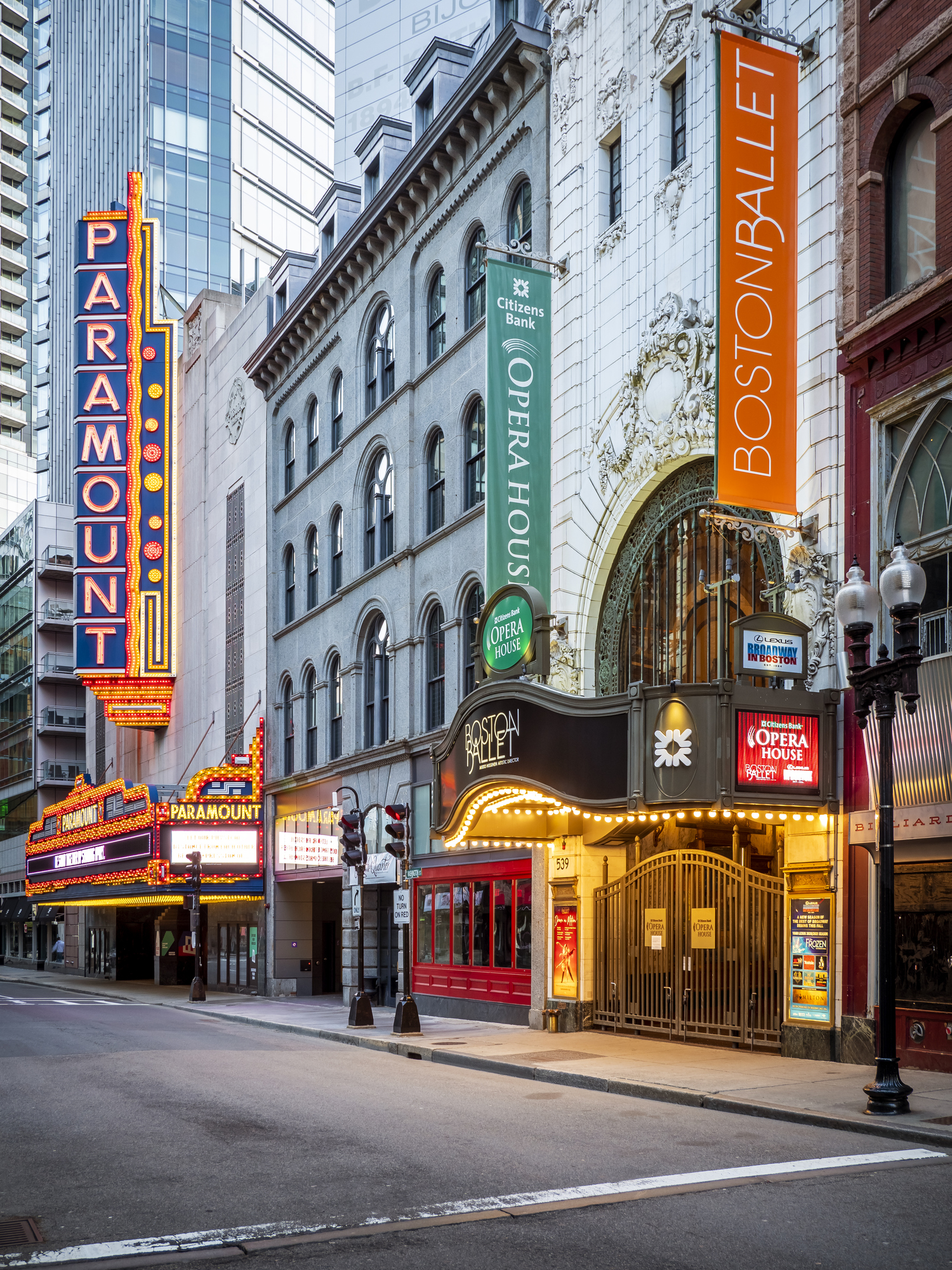
Back Bay stands out because it combines a distinctly Boston streetscape, landmark destinations, and premium everyday convenience in one compact area. The keyword data shows unusually strong pull from Prudential Center, Copley Square, Newbury Street, Esplanade, shopping, and dining, which means users do not see Back Bay as just a place to rent, but as a lifestyle district with built-in appeal.
Yes. Both areas are clear search anchors and should be treated as key apartment-discovery pathways.
Back Bay is more retail- and landmark-driven, Beacon Hill is quieter and more historic, and South End feels more residential and arts-oriented.
Yes. Luxury-apartment searches are meaningful here, and the building dataset confirms strong demand for premium buildings and full-service inventory.
Yes. The keyword dataset strongly associates the neighborhood with shopping, dining, attractions, and central Boston convenience.
Back Bay includes luxury high-rises, full-service apartment buildings, studio and one-bedroom rentals, condo-style apartments, and renovated brownstones.
Yes. The search pattern and building mix both support a premium-market positioning, especially near Newbury Street, Copley Square, and full-service apartment buildings.







.png)


