


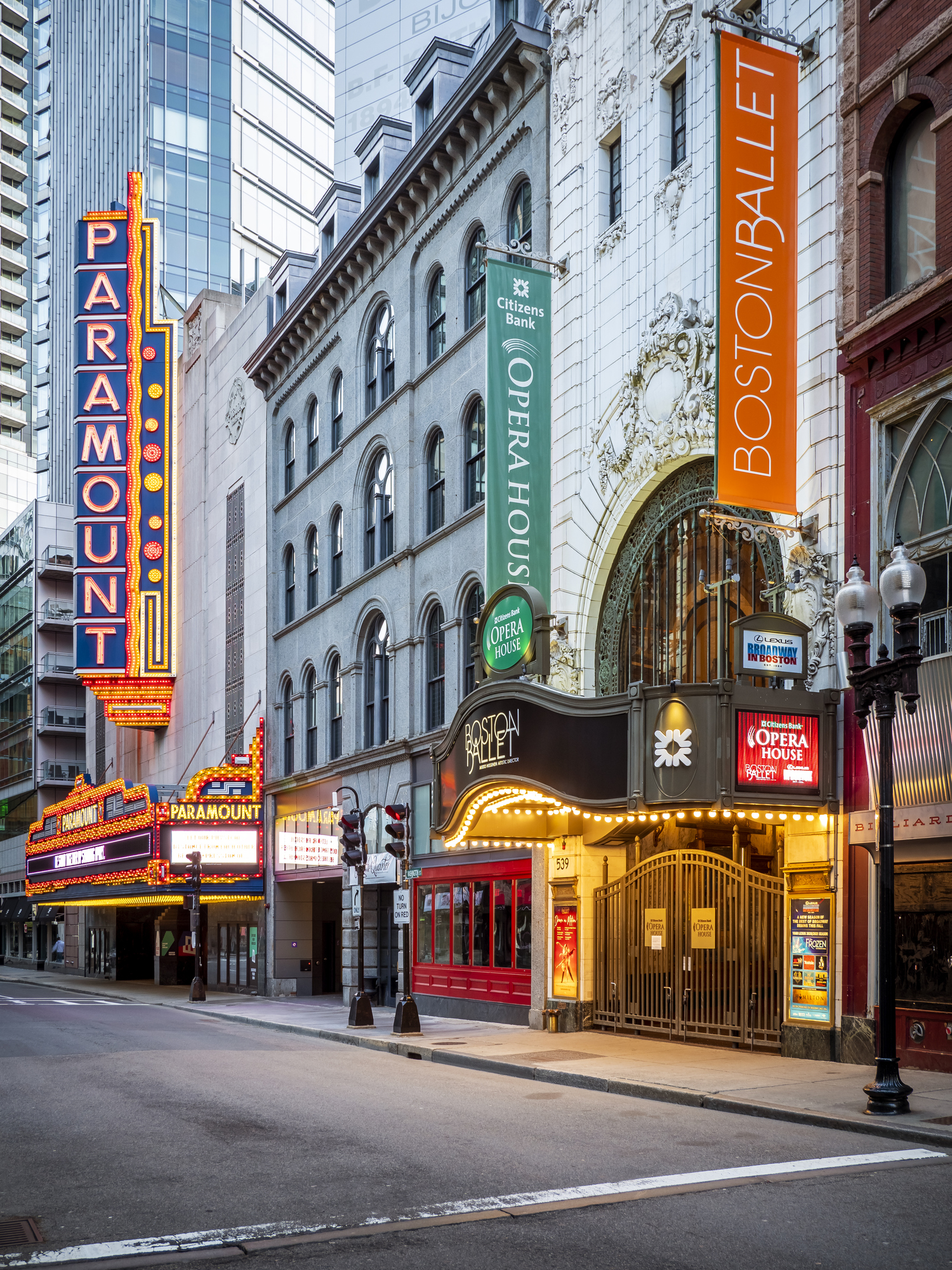


Downtown Boston is one of the best fits for Financial District workers because it offers a walkable commute, fast MBTA access, and immediate proximity to the office core.
The most common options are luxury high-rises, condo-style rentals, smaller studios and one-bedrooms, and loft-style conversions near key transit corridors.
Yes, Downtown Boston has strong rental inventory near both South Station and Downtown Crossing, especially in high-rise and transit-oriented buildings.
Downtown Boston typically rents at a premium because of its central location, transit density, and proximity to major employers, though pricing varies by building type and micro-location.
Downtown Boston feels more vertical, fast-paced, and commute-driven, Chinatown adds stronger dining and mixed-use street life, and Beacon Hill offers a quieter, more historic residential feel.
Yes, renters can find both efficient studios and upscale condo-style rentals throughout Downtown Boston, especially in larger residential towers and converted buildings.
Downtown Boston compresses multiple city functions into one rental area: the Financial District for office access, Chinatown for everyday dining and late-night food, Downtown Crossing for shopping and train connections, and Boston Common for immediate open space.
Office workers in the Financial District; renters who commute through South Station or Downtown Crossing; residents who prioritize walking over driving; people who want luxury towers, condo-style rentals, or centrally located smaller units.
More transit-connected and job-centric than the North End; denser and more vertical than Beacon Hill; less waterfront-polished than Seaport but more central; more all-day foot traffic and retail concentration than the Leather District or Chinatown alone.


%201.png)


