




Yes - Charlestown is one of the more expensive rental markets in Boston, with pricing driven by waterfront demand, limited inventory, historic housing stock, and strong neighborhood desirability.
The most common Charlestown rentals include historic row-house apartments, condos, townhome-style rentals, loft conversions, boutique apartment buildings, and newer waterfront communities near the Navy Yard.
Charlestown has a true mix, but much of the neighborhood’s housing appeal comes from older homes, brick row houses, and smaller multifamily properties, with newer amenity-driven buildings more concentrated around the Navy Yard.
Yes - Charlestown is one of the strongest choices for renters who want quick access to downtown Boston while living somewhere more residential, scenic, and historically rooted.
Living near the Navy Yard means stronger access to waterfront paths, harbor views, newer apartment buildings, and a quieter edge-of-the-city feel, while still staying close to central Boston.
Yes - Charlestown generally feels calmer and more residential than both areas, with less constant foot traffic than the North End and less new-development density than the Seaport.
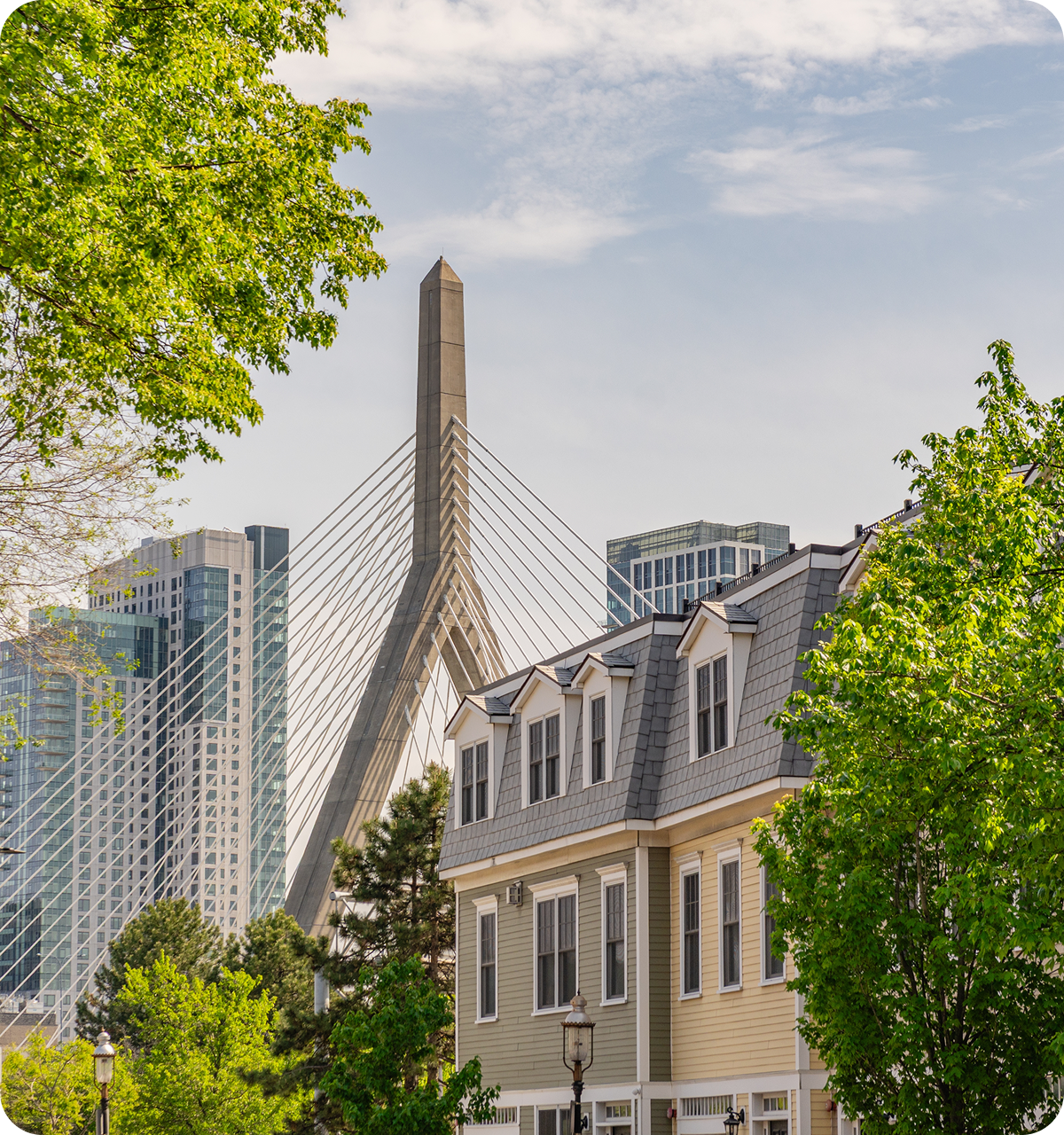
Charlestown stands apart because it combines major Boston history, a true waterfront edge, and a neighborhood feel that still reads as local rather than purely commercial. The Bunker Hill Monument, the Charlestown Navy Yard, and the Harborwalk give the area real destination value, but the residential streets around Monument Square, Main Street, and the gaslight-era row-house blocks are what make it especially livable. It is one of the clearest examples in Boston of a place where history, waterfront access, and day-to-day neighborhood comfort all shape renter demand at the same time.
Professionals commuting to downtown Boston, renters who want historic charm without living in a nightlife-heavy area, residents looking for waterfront walks and harbor views, and people who prefer a quieter neighborhood with strong city access.
North End: busier, denser, more tourism-driven, and more restaurant-saturated. Seaport: newer, more luxury-heavy, more corporate in feel, and less historically rooted. Downtown Boston: more fast-paced, more commercial, and less neighborhood-oriented. Charlestown: stronger historic identity, more residential calm, better row-house character, and a more balanced mix of waterfront setting and everyday livability.


%201.png)


